
Properly sealed door frames are integral for keeping your home comfortable and energy efficient. A reliable seal prevents drafts, reduces heat loss, and helps maintain a stable indoor temperature. Over time, however, door seals can degrade, which can lead to discomfort and higher energy bills.
Understanding how to seal a door frame or reseal a door frame is a straightforward DIY task that can save money and improve your home’s overall comfort. This guide will explain what a door frame sealant is, why it’s important, and provide a clear, step-by-step approach for sealing door frames, both indoors and outdoors.
Whether it’s an interior door, patio door, or front door, this guide covers the essentials you need to know.
What is a door frame sealant?
A door frame sealant is a flexible material, usually silicone or a hybrid polymer, designed to fill gaps and joints where the door frame meets the wall or threshold.
It adheres to a range of surfaces including uPVC, wood, aluminium, metal, brick, and plaster. The sealant remains flexible, accommodating building movement or expansion due to temperature changes, while keeping air, water, and noise out.
Why door frame sealants matter
A good door frame sealant can help to solve a host of problems, including:
- Water ingress - Prevents water from seeping around the door, reducing the risk of damp, mould, and damage to the surrounding structure.
- Energy efficiency - Stops drafts and heat loss, helping to lower utility bills.
- Noise reduction - Keeps unwanted sounds from entering your home.
- Structural protection - Prevents moisture from causing timber rot or metal corrosion. Neglecting damaged seals can lead to peeling paint, damp spots, and damage to insulation or plaster.
- Neat appearance - Creates a clean, professional-looking finish between the door frame and wall.
What is the best door frame sealant?
To get the best results, select a door frame sealant that is flexible, long-lasting, and suitable for the materials of your door frame. It should handle movement, temperature fluctuations, and, for exterior doors, exposure to the elements.
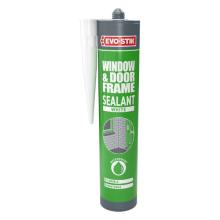
EVO-STIK Window & Door Frame Sealant is a versatile option suitable for aluminium, metal, uPVC, wood, brick, and mortar, making it ideal for sealing a wide range of interior and exterior doors.
Step-by-step guide: How to seal around a door frame
Creating or replacing a door seal can seem daunting, but it’s manageable with the right approach. Start with gathering the necessary tools:
What you will need:
- EVO-STIK Window & Door Frame Sealant
- Caulking / cartridge gun
- Sharp knife or sealant remover tool
- Wet, round-ended smoothing tool (do not use a wetted finger)
- Clean cloths
- Soapy water
- White spirit (for removing excess uncured sealant)
Optional:
- Masking tape (optional, for neat edges)
- Gloves
- Ladder (for exterior door frame seals)
1. Remove the old sealant
If resealing, carefully cut away any cured sealant using a sharp knife. Clean the joint thoroughly with soapy water and cloths to remove any residue. Ensure surfaces are dry, clean, and free from dust, grease, or loose material.
Tip: For a precise edge, apply masking tape along the sides of the joint before sealing.
2. Prepare the cartridge
Unscrew the nozzle and cut the dome of the cartridge cleanly, taking care not to damage the thread. Then, screw the nozzle back on. Cut the tapered end of the nozzle at 45° to a width matching the gap to be sealed.
Insert the cartridge into the caulking gun: press the release plate and pull the plunger back, insert cartridge and squeeze the trigger until sealant appears.
3. Apply the door frame sealant
Place the nozzle at the start of the gap and squeeze the trigger steadily. Ensure the sealant bead adheres to both sides of the joint. At the end, release the trigger and depress the plunger release.
4. Smooth the sealant
Use a wet, round-ended tool to smooth the bead. Remove any excess uncured sealant with a cloth dampened with white spirit. Take off masking tape while the sealant is still workable.
5. Clean up and leave to fully cure
Wipe the nozzle and before the sealant fully dries, complete the following checks:
- Run your hand along the edge to ensure a smooth finish.
- Check there are no gaps that can compromise the seal's efficiency.
- Verify that the door opens and closes seamlessly.
Allow a skin to form in 1–2 hours and up to one week for full cure - do not paint until fully dry.
That's it! You've now discovered how to seal a door frame indoors. Let's look at the necessary steps to resealing a door externally.
Considerations for external door frames
When you're sealing around a door externally, the process is virtually the same as indoors - you can follow steps 1-5 as above. However, there are some additional considerations you must make to ensure a long-lasting, effective seal.
- Timing: Only seal when the weather is dry. The sealant is not waterproof until fully cured.
- Protection: If rain is expected before curing, cover the joint with a temporary tarp.
Following these precautions ensures a durable, long-lasting exterior door seal.
Tips to maintaining a door frame sealant
Regular upkeep can extend the life of your door seals, preventing minor issues from becoming major repairs and maintains energy efficiency.
- Clean regularly: Wipe seals with mild soap and water.
- Avoid harsh chemicals: They can degrade materials over time.
- Check for damage: Look for cracks or warping.
- Realign doors: Ensures proper seal contact.
When to call a professional to reseal a door
If drafts or water persist after DIY sealing, a professional can assess complex problems like misaligned doors or damaged frames and provide effective repair solutions.
Let's recap!
Properly applied and maintained door frame seals improve comfort, conserve energy, and enhance aesthetics. This guide equips you to confidently seal door frames, whether indoors or outdoors, ensuring a durable and effective barrier against drafts, moisture, and noise.