
Removing wood glue can feel tricky, but with the right approach, it’s completely doable. Whether you’ve had a DIY mishap, or you’re restoring a piece of wooden furniture and need to remove the old adhesive, knowing how to remove wood glue properly is key to protecting your woodwork’s finish and appearance.
This step-by-step guide shares how to remove wood glue from wood, depending on your type of wood adhesive.
Step-by-step: How to remove wood glue
What you will need:
- Damp cloth(s)
- Plastic scraper
- Washing-up liquid
- Warm water
- White vinegar
- White spirit (for stubborn cured glue)
- Acetone (for uncured polyurethane glue)
- Fine-grit sandpaper
1. Identify the type of wood glue
Different types of wood glue, like PVA-based wood glue, PU wood glue and mitre adhesive, have varying removal methods:
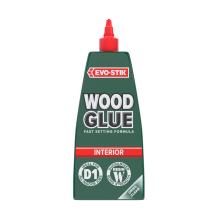
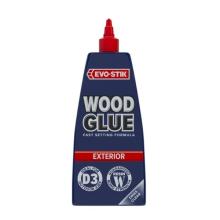
- PVA-based wood glue (e.g. EVO-STIK Interior/Exterior): Water-based, easier to soften and remove.
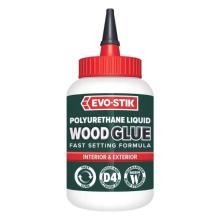
- Polyurethane glue: Extremely strong, harder to remove once cured.
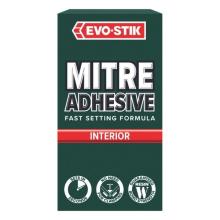
- Mitre adhesive: High strength formula, requires chemical substances to remove once cured.
2. Removing wet wood glue
If the glue is still wet:
- Wipe away any excess adhesive with a damp cloth.
- Use a plastic scraper to lift any remaining glue gently and then wipe the surface to ensure its clean and free-from adhesive residue.
Tip: Always blot, don't rub, when removing glue to avoid spreading it.
3. Removing dried wood glue
Once the glue has hardened, removal depends on the type:
For PVA-based wood glue
- Mix warm water and mild washing-up liquid. Use the mixture to dampen a soft cloth.
- Gently rub at the affected area with the damp cloth.
- For stubborn spots, soak a cloth in white vinegar, place it over the glue for 15 - 30 minutes, then scrape gently.
- If you're still stuck, try white spirit on a cloth.
Caution: Test any chemical substances on an inconspicuous area first, as they can affect the finish.
For polyurethane wood glue or mitre adhesive
- If uncured, acetone can help dissolve it.
- If cured, mechanical removal is the only option. Carefully sand with fine-grit sandpaper and work slowly to avoid damaging the wood surface.
Caution: Test any chemical substances on an inconspicuous area first, as they can affect the finish.
Tips for success
- When applying wood glue, use painter’s tape to shield nearby wood surfaces.
- Wipe spills immediately to avoid hardened glue.
- Apply glue sparingly - excess can lead to overflow and difficult clean-up.
What to avoid
When you're looking to remove wood glue, remember to avoid the following bad practices:
- Avoid harsh chemicals like paint strippers (they can damage finishes).
- Avoid metal tools that can gouge the surface.
- Avoid excessive water, which can warp untreated wood.
Common questions when removing wood adhesive
Q: How do I remove sticker glue from wood?
A: Start with vinegar. For tougher residue, use mineral spirits applied with a cloth.
Q: Can I use a heat gun to remove glue?
A: Yes, but with caution. Use a low setting and keep it moving to avoid damaging the wood.
Q: How to dissolve wood glue?
A: It's important to use the right product(s) for the type of wood glue you're trying to dissolve:
- PVA-based wood glue can often be softened with water or vinegar.
- PU wood glues require acetone when uncured, or sanding once cured.
Conclusion
Whether you need to remove adhesive residue, dissolve wood glue, or remove excess wood glue after a project, these practical steps can help. Understanding your glue type - PVA or polyurethane - is essential for selecting the right removal technique.
By following these methods and tips, you'll maintain your woodwork's finish and integrity, ensuring it’s ready for your next coat of paint, stain, or seal.