
Timebond Adhesive
EVO-STIK Timebond Contact Adhesive is a high performance, multipurpose contact glue that allows for slight repositioning before fully bonding, without the need for clamping or additional support from jigs.
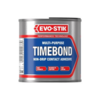
Amber
Features and benefits
It offers exceptional strength on most surfaces including wood, MDF, laminate, metal, PVC, cork, leather, rubber, glass, mirror, stone, and ceramics, making it ideal for a wide range of DIY tasks and household repairs. It will even fix non-porous surfaces together, such as bonding metal to metal.
Timebond Adhesive has an innovative, non-drip formula to ensure smooth application, even on vertical and overhead surfaces - perfect for making application on tricky jobs easier and cleaner.
The adhesive is available in multiple sizes, from 250ml to 1L for larger projects.
With this non-drip contact adhesive, you can trust that your repairs will be strong and durable. Its fast-acting formula saves you time while delivering quality results, making it the go-to choice for both DIY enthusiasts and professionals alike.
Suitable materials: Wood, MDF, laminate, metal, PVC, cork, leather, rubber, glass, mirror, stone, and ceramics. Do not use on solvent sensitive surfaces.
Coverage: 2.8m² per 500ml tin (based on one surface coat).

High strength, multipurpose contact adhesive
Allows for slight repositioning before full bond
No need for clamping or support
Non-drip contact adhesive with easy-to-spread formula
Ideal for use on vertical and overhead surfaces
Bonds non-porous surfaces together
Drying time of 24 hours
Available in tins from 250ml up to 1L
Interior use
Downloads & resources
Timebond Adhesive - Technical Data Sheet (471.92 KB)
This file is stored on an external website, please follow the link
How to use
Preparation
Surfaces to be bonded must be clean, dry, and free from contamination such as dust, grease, or paint.
Application
1. Apply a thin, even coat of Timebond Adhesive to both surfaces.
2. Allow the contact adhesive to become dry to touch. This should take 5 to 10 minutes depending upon the drying conditions.
3. Align the surfaces carefully. When in place press together gently.
4. Exert firm pressure from the centre outwards to exclude any air pockets.
5. The bond is instant; however, the adhesive will achieve full strength over 24 hours.
Where at least one material is porous, apply a thin coat of adhesive to the least porous surface and press the surfaces together immediately. Hold together for a few minutes to allow the bond to form. Do not disturb or test the bond for 24 hours to allow the adhesive to achieve full strength.
Cleaning
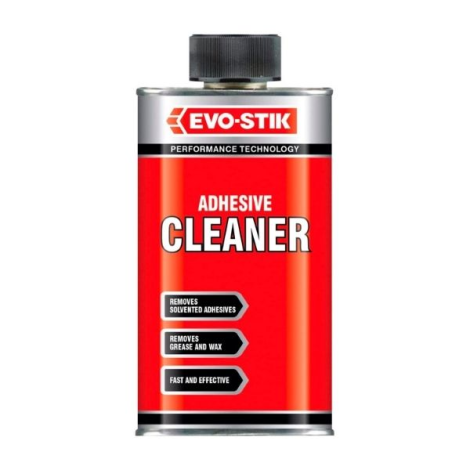
We recommend cleaning tools and equipment immediately after use with EVO-STIK Adhesive Cleaner before the adhesive dries.
How to remove
Uncured adhesive can be removed with a cloth dampened with EVO-STIK Adhesive Cleaner.
Cured adhesive may only be removed by mechanical means.
FAQs
Can Timebond Contact Adhesive be used on concrete?
Yes. EVO-STIK Timebond Adhesive provides an excellent bond to concrete, as well as many other materials.
How do I prepare surfaces before using Timebond Adhesive?
Before using EVO-STIK Timebond Adhesive, ensure the surfaces to be bonded are clean, dry and free from contaminants such as dust, grease and paint.
How do I remove Timebond Contact Adhesive?
Uncured EVO-STIK Timebond Contact Adhesive can be removed using EVO-STIK Adhesive Cleaner. Once cured, the adhesive can only be removed by mechanical means.
What is the shelf life of Timebond Adhesive?
EVO-STIK Timebond Adhesive can be stored for up to 18 months from the date of manufacture when kept in its original, unopened packaging under cool, well-ventilated conditions.
Contact adhesive vs super glue: which is best?
Contact adhesive and super glue are both suitable for a variety of materials, but they have different properties and applications.
- Application: Contact adhesives are applied to both surfaces and left until touch dry before bonding. Super glues are typically applied to one surface and then held together for approximately 15 to 30 seconds using firm pressure.
- Uses: Contact adhesives are generally used for large surface areas, such as laminates, countertops and upholstery. Super glues are better suited to small, precise repairs, such as bonding ceramics, plastics and glass.
- Properties: Some contact adhesives allow limited repositioning during application, whereas super glues form a fast bond within seconds.
The best choice depends on the materials being bonded and the requirements of your project.
Find new, smarter ways of doing things
Find out what product you need, how to use it and where to buy it.
PRODUCT FINDER